Between Ukiyo-e, Comics, and Cultural Facilitation
Artist Narrative
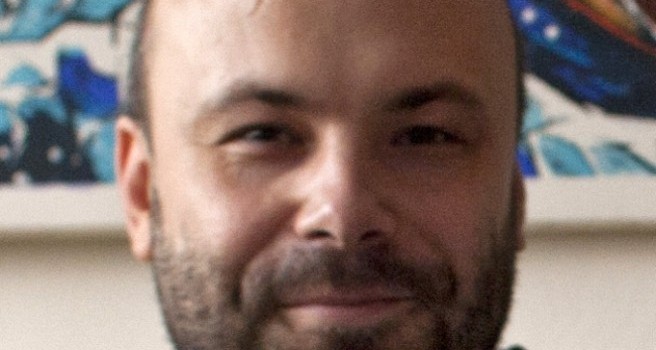
Born in Zenica and based in Sarajevo, Muhamed Kafedžić is a visual artist, educator, and cultural facilitator whose practice developed less through a conventional gallery trajectory and more through the gradual collision of several parallel worlds. Working under the artistic identity muha (無派 — “without affiliation” or “belonging to no school”), he moves between painting, comics, animation, Japanese visual culture, education, facilitation, design, and cultural organization without treating them as separate disciplines.
After spending his secondary school years between 1992 and 1996 during the war in Bosnia and Herzegovina, Kafedžić enrolled at the Academy of Fine Arts in Sarajevo in 1996. He completed the main study program by 2001, while the following years until 2007 were dedicated to the development of his diploma work alongside increasingly active professional engagements. Growing up during the rapid expansion of digital culture and early internet technologies in the 1990s, he developed a parallel interest in traditional fine arts education and emerging digital media from an early age. Alongside academic drawing and painting, his formative influences included comics, science fiction, cyberpunk and fantasy literature, board games, video games, film, music, cult kung fu cinema, samurai and ninja films, as well as the works of Akira Kurosawa. Since the 1990s, Japanese animation has remained one of the strongest continuous influences on his visual imagination, narrative sensibility, and understanding of visual storytelling.
By the mid-1990s he was using internet-based communication platforms and experimenting with early client/host digital environments, while his animation experiments included 2D Animator software, predating the widespread regional use of Adobe Flash.
During this period, he worked simultaneously as a teacher of fine arts, comics and manga/anime workshop leader, animator, graphic designer, PR associate, and organizer of youth-oriented cultural programs. This overlap between academic painting, technology, animation, education, communication, and applied visual media would later become one of the defining characteristics of his work.
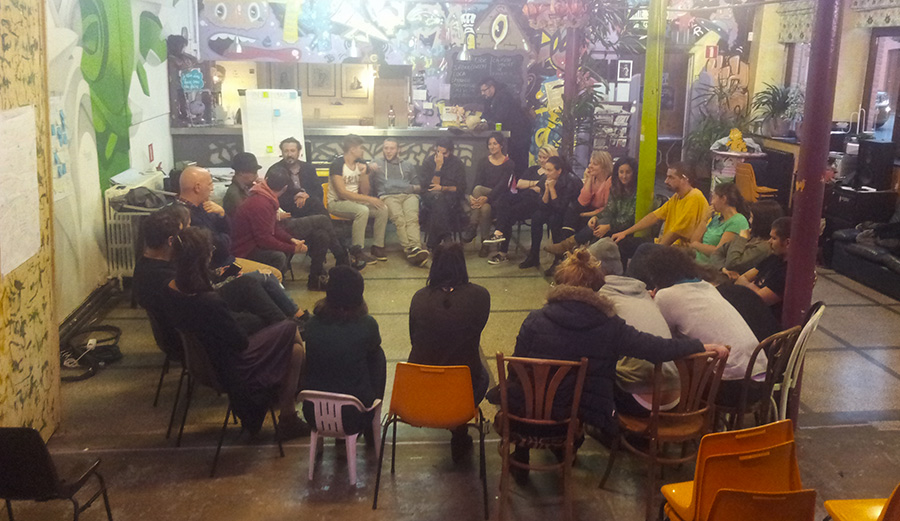
A particularly important formative point was Comic School @ CSI in Sarajevo (2003–2004), where he worked as founder, coordinator, teacher, and organizer. Although rooted in comics and youth culture, the project already contained many of the elements that would later shape his broader practice: facilitation, community building, public programming, interdisciplinary collaboration, and the connection between popular culture and contemporary visual art.
Parallel to this, his work in animation, advertising, and graphic design within Sarajevo’s advertising industry introduced a different layer of professionalization, culminating in his final commercial design engagement as graphic designer at the Sarajevo branch of the international TBWA network until 2012. Working across animation, web, video, print design, visual communication, and production systems helped shape the technical and organizational approach later visible in exhibition coordination, educational media, workshops, and collaborative international projects.
From Pop Culture to Social Engagement (2008–2015)
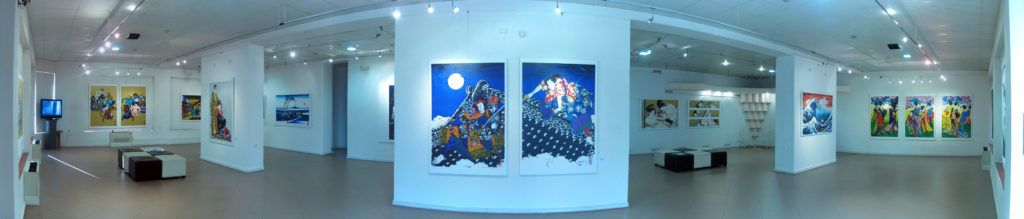
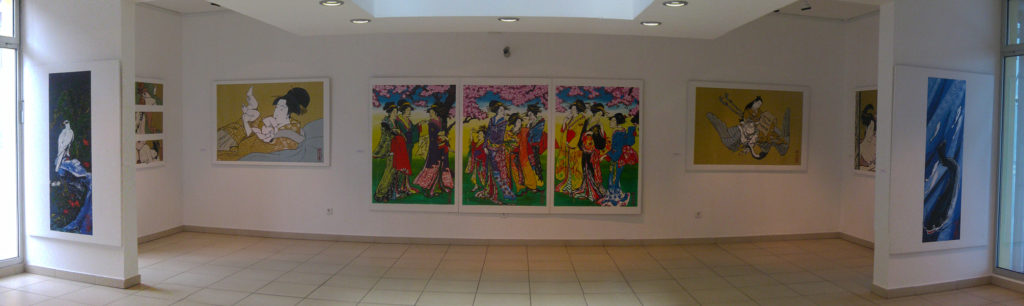
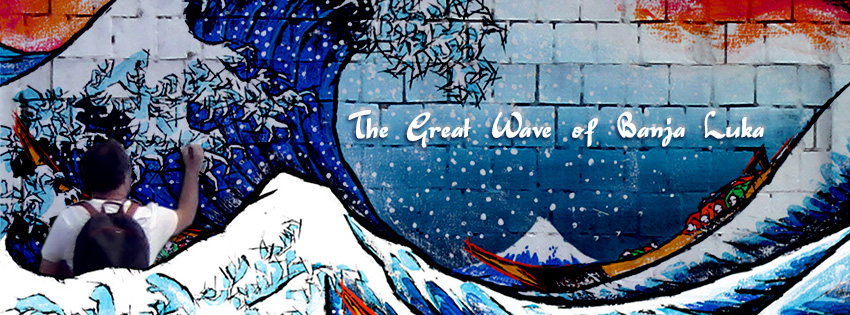
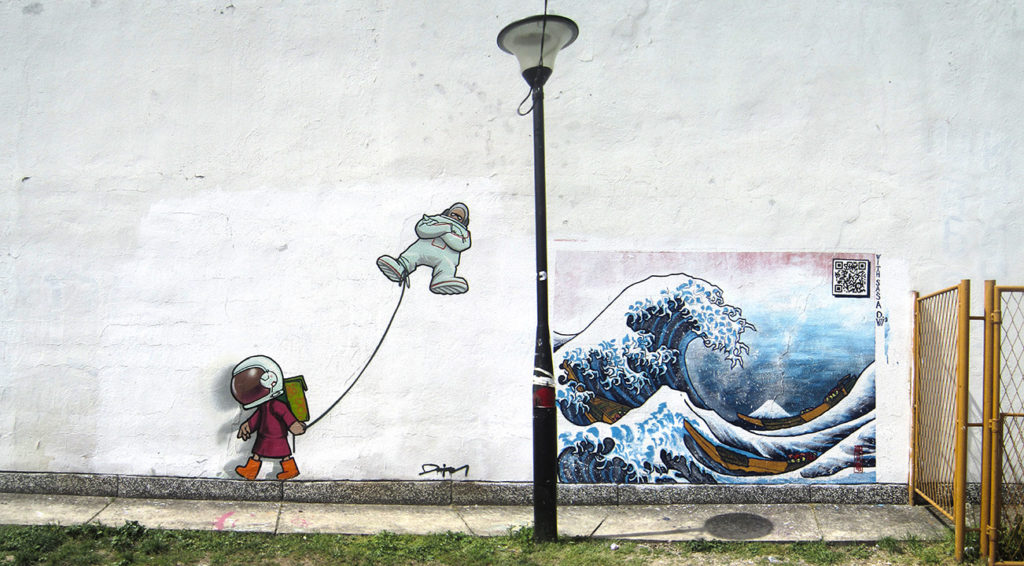
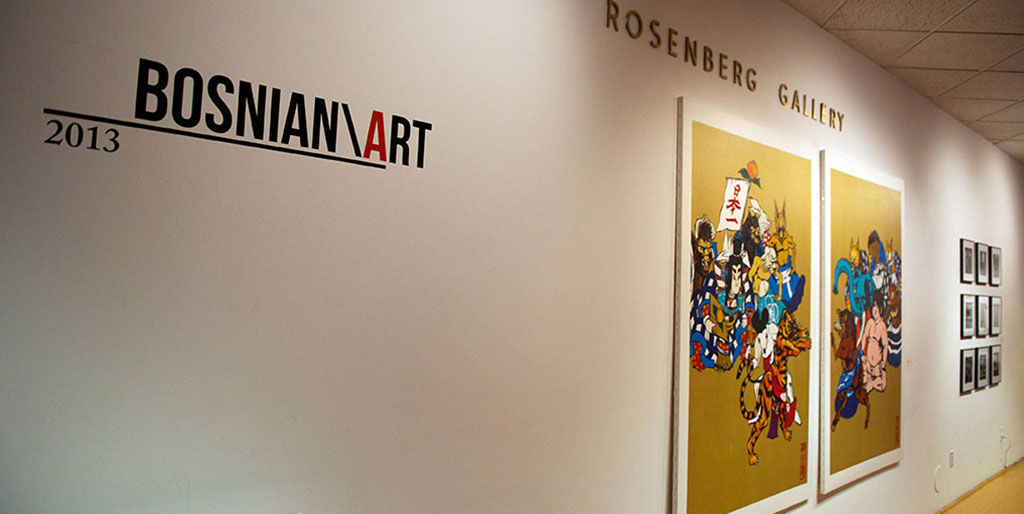
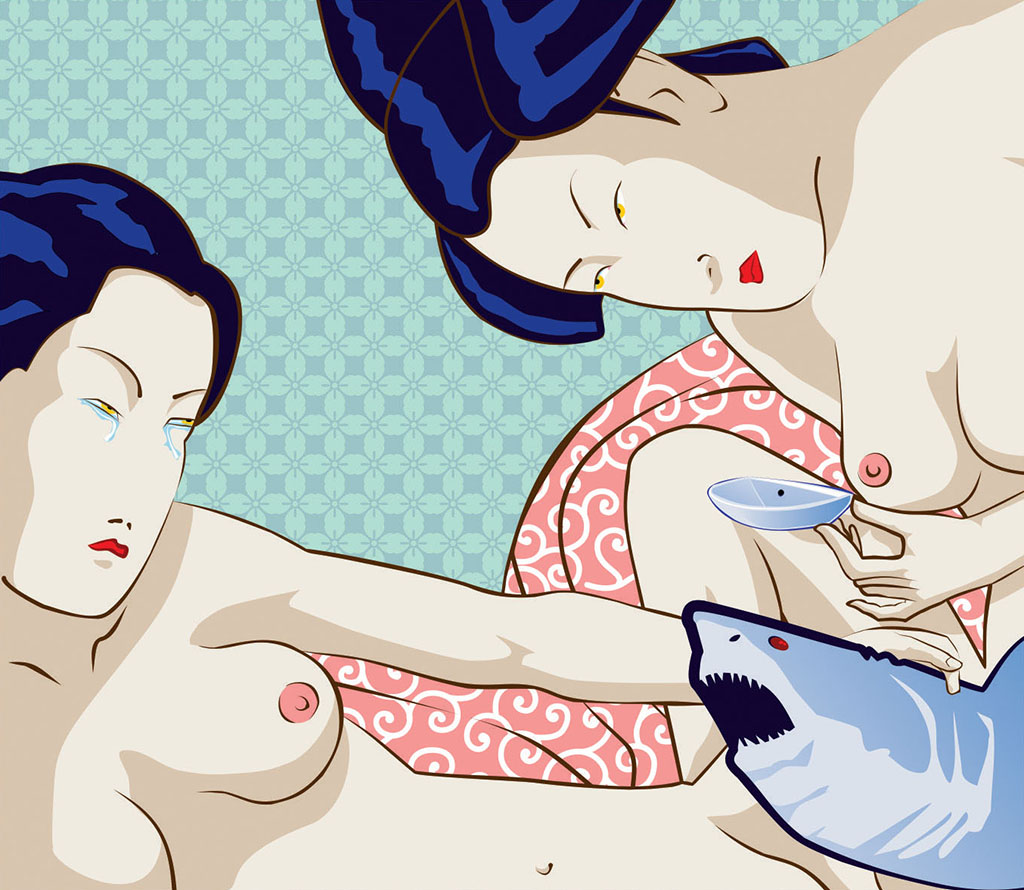
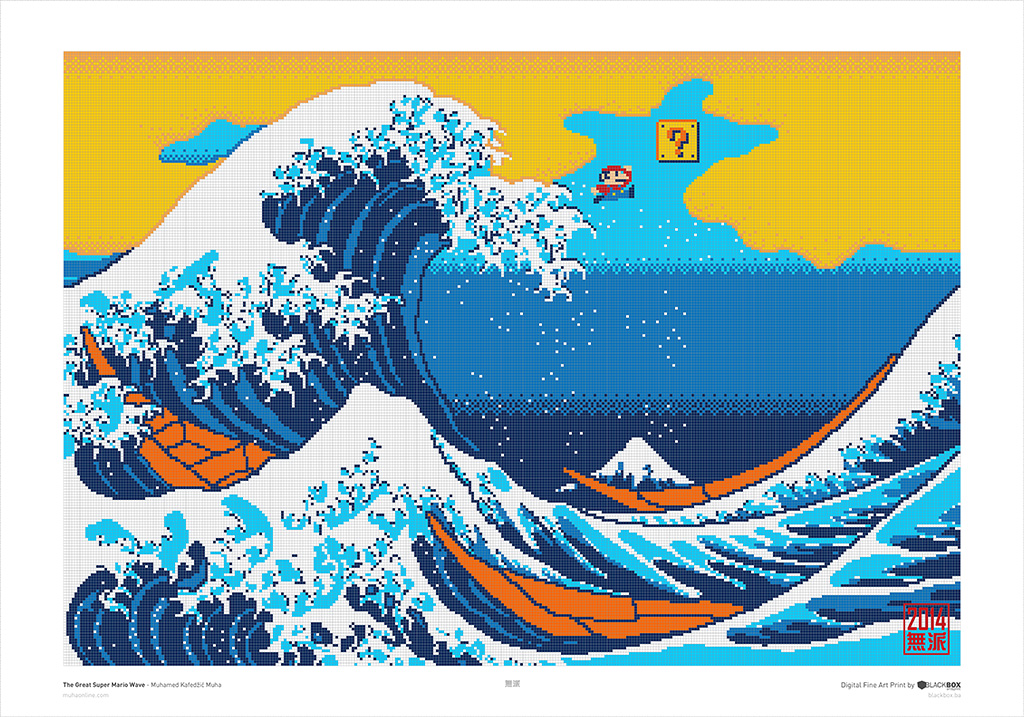
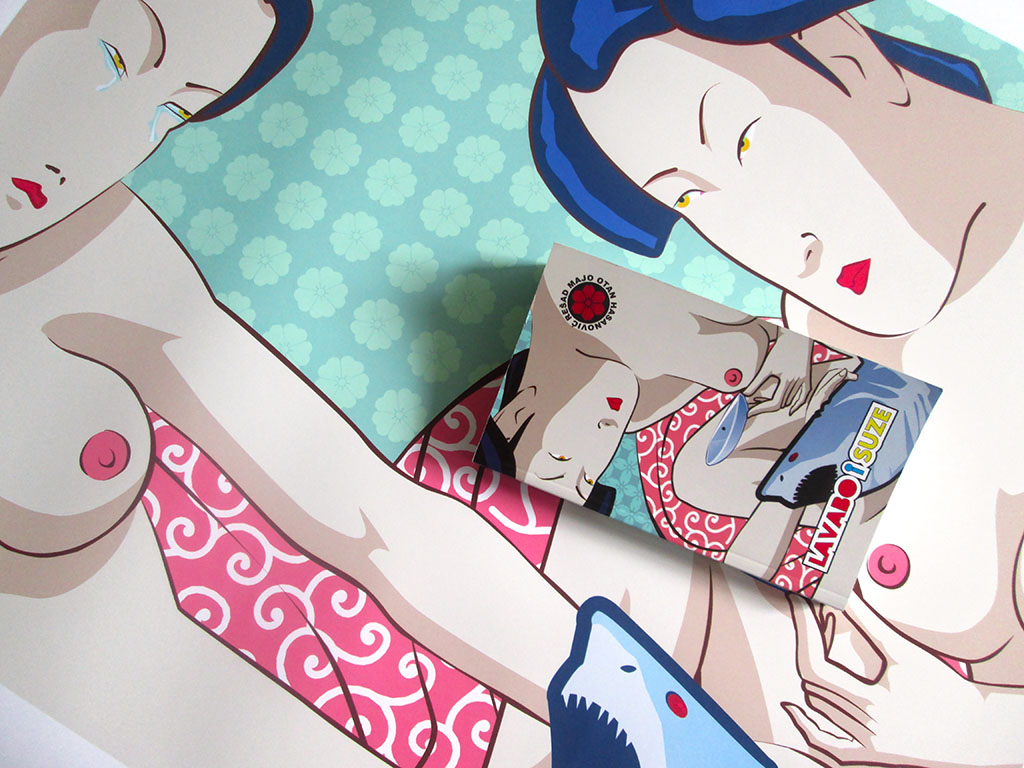
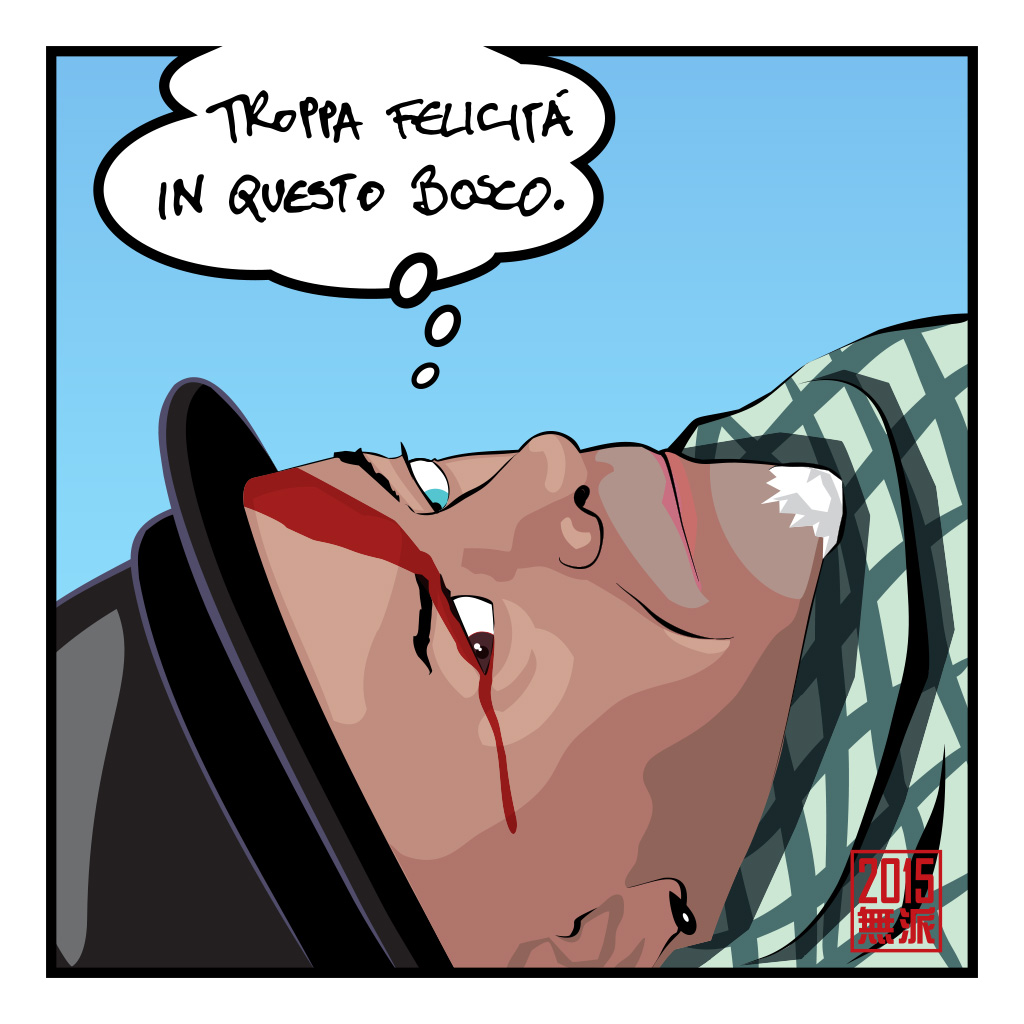
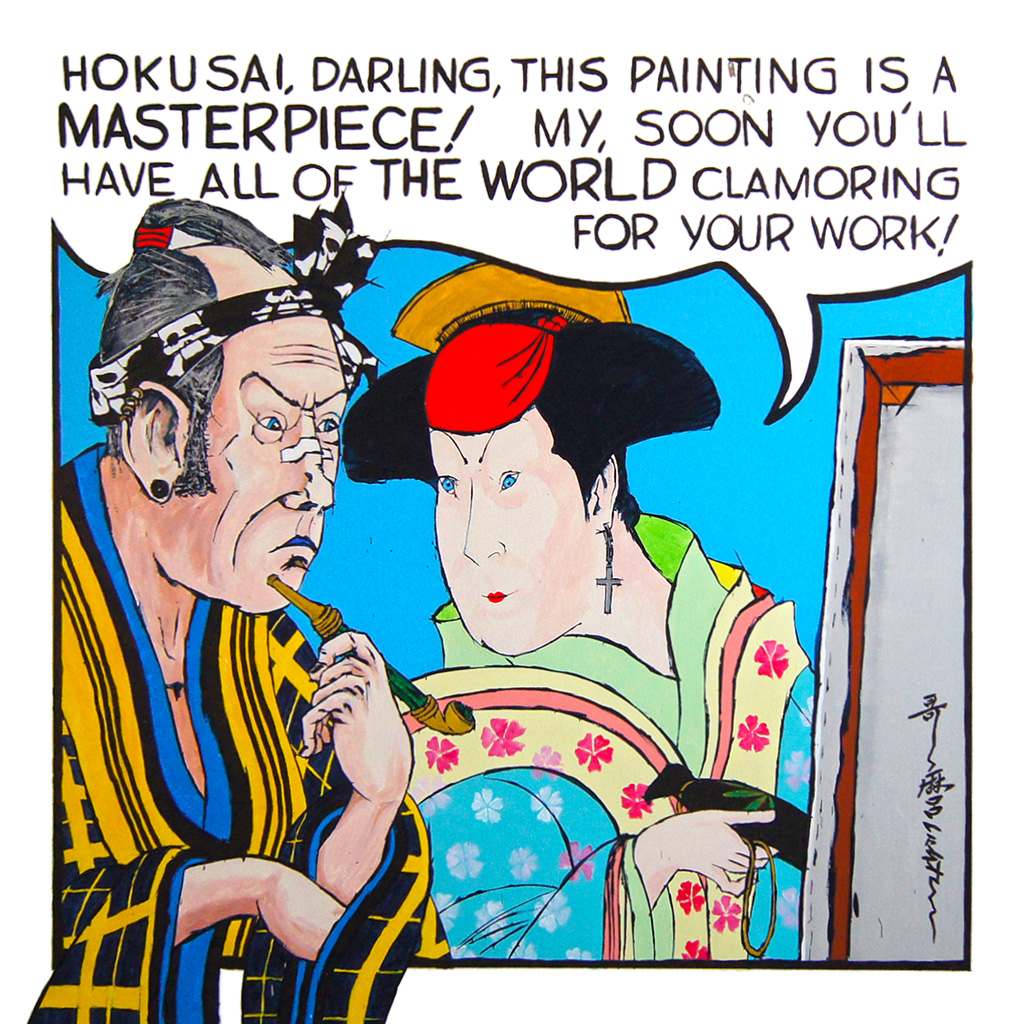
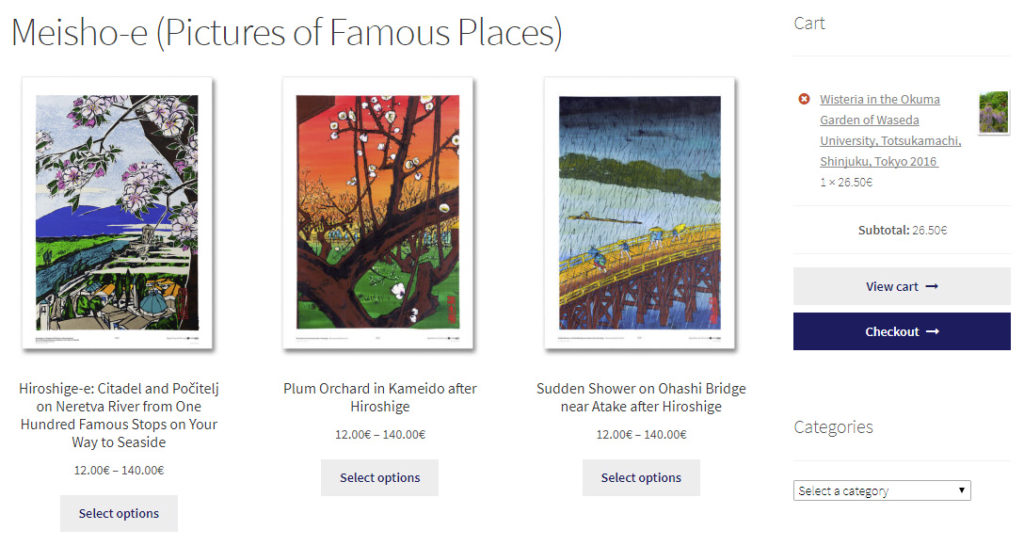
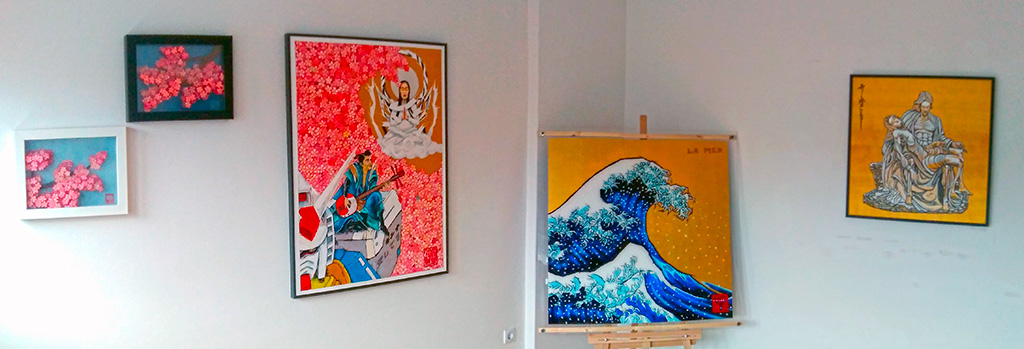
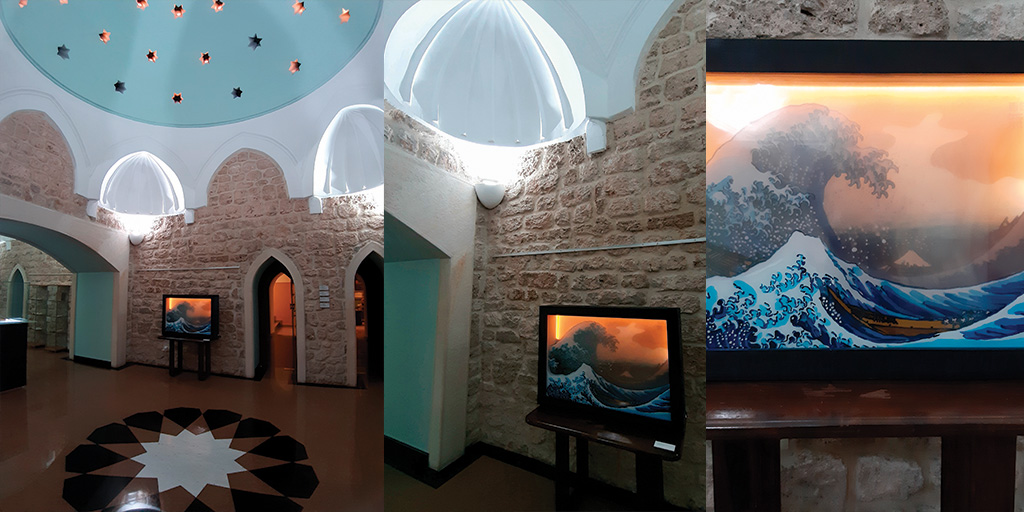
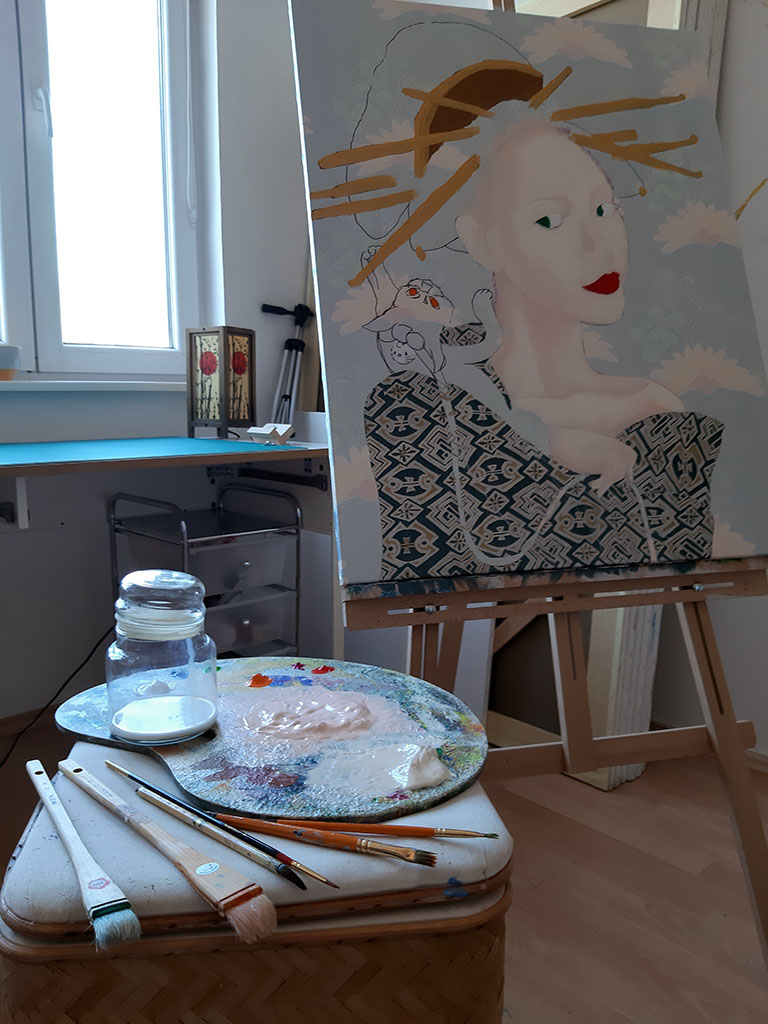
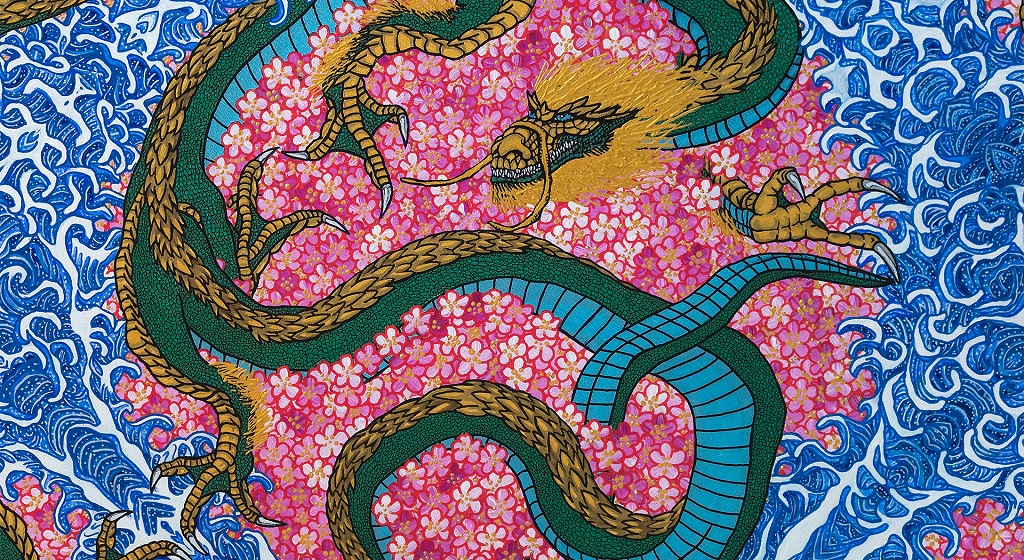
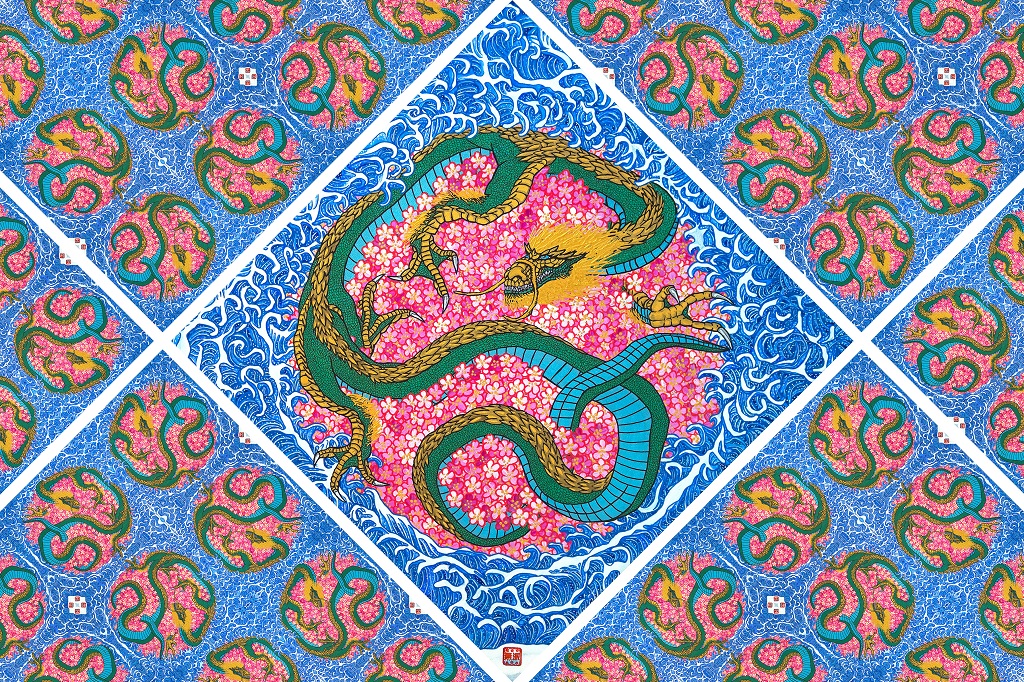
The period surrounding his MA studies in painting marked a major transition from underground and pop-cultural environments toward more socially engaged and internationally oriented artistic work. During this time, the long-term project “100 Views of Ukiyo-e” emerged as one of the central foundations of his artistic identity, exploring the relationship between Japanese ukiyo-e traditions, Pop Art, comics, animation, and contemporary painting. Originally developed through his MA thesis and later expanded through exhibitions and reinterpretations, the project gradually evolved into a broader investigation of transcultural visual language and the relationship between traditional print culture and contemporary media.
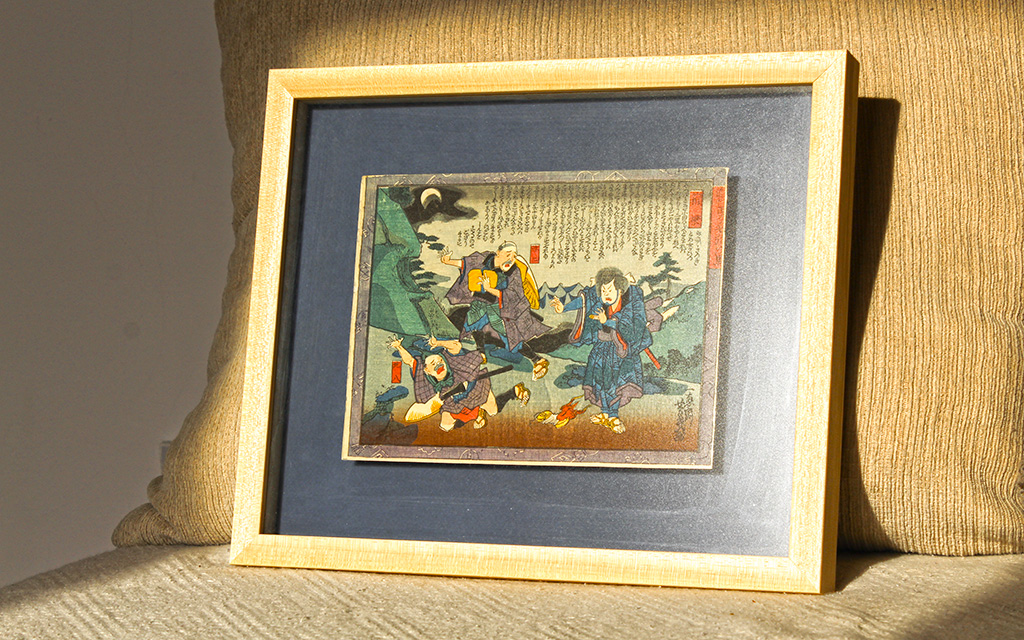
Influenced by Edo-period Japanese woodblock prints, American Pop Art, animation, music, cinema, and popular media, his work increasingly began moving between fine art, public engagement, digital culture, and educational formats rather than remaining confined to a single institutional context. Critical texts and curatorial studies have described this process as a hybrid visual language operating between ukiyo-e, Pop Art, and transcultural reinterpretation.
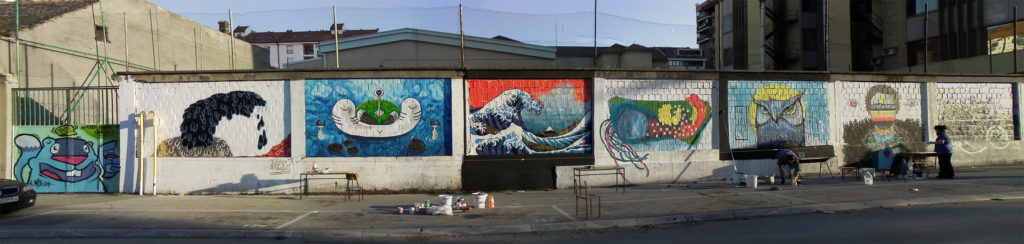
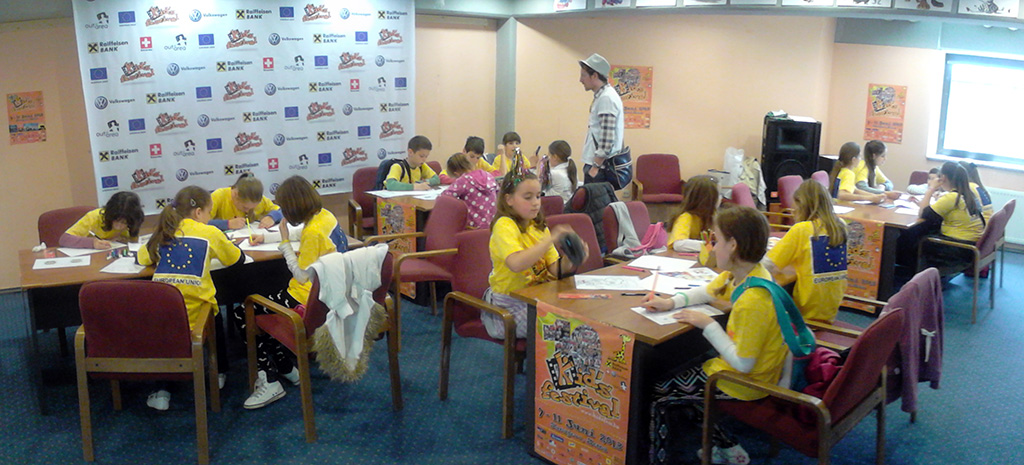
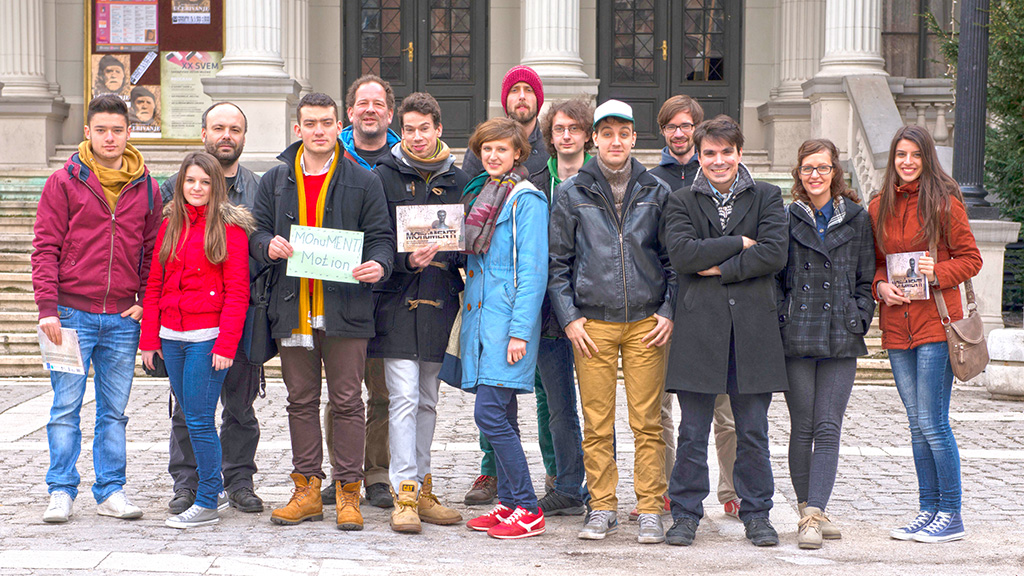
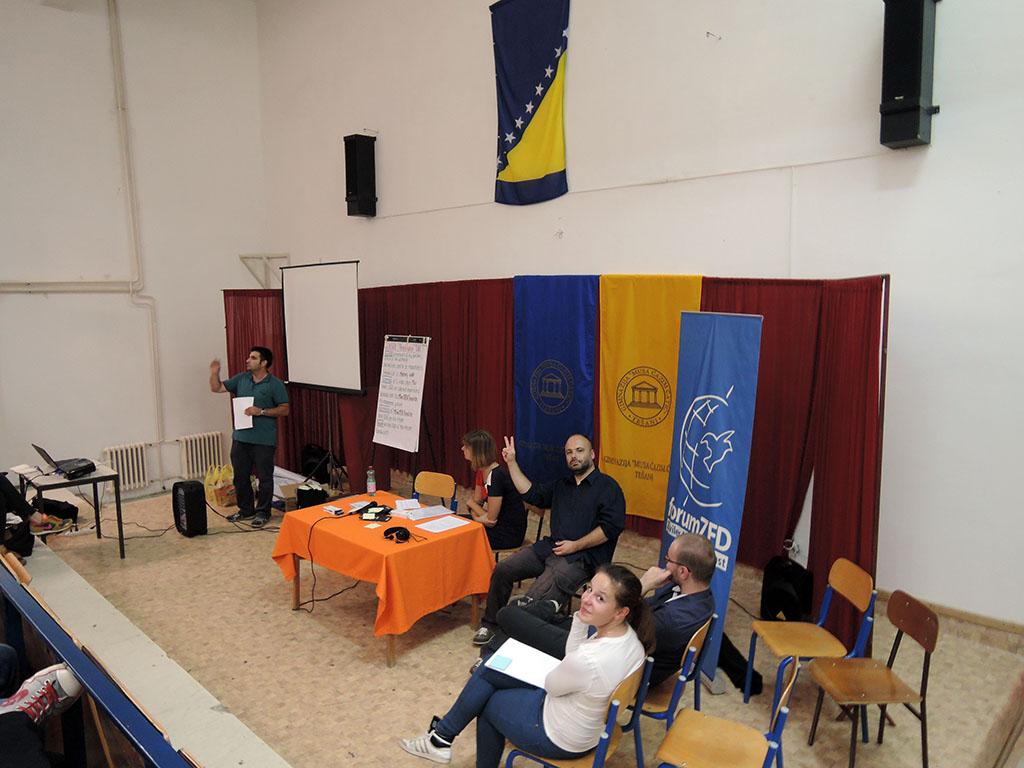
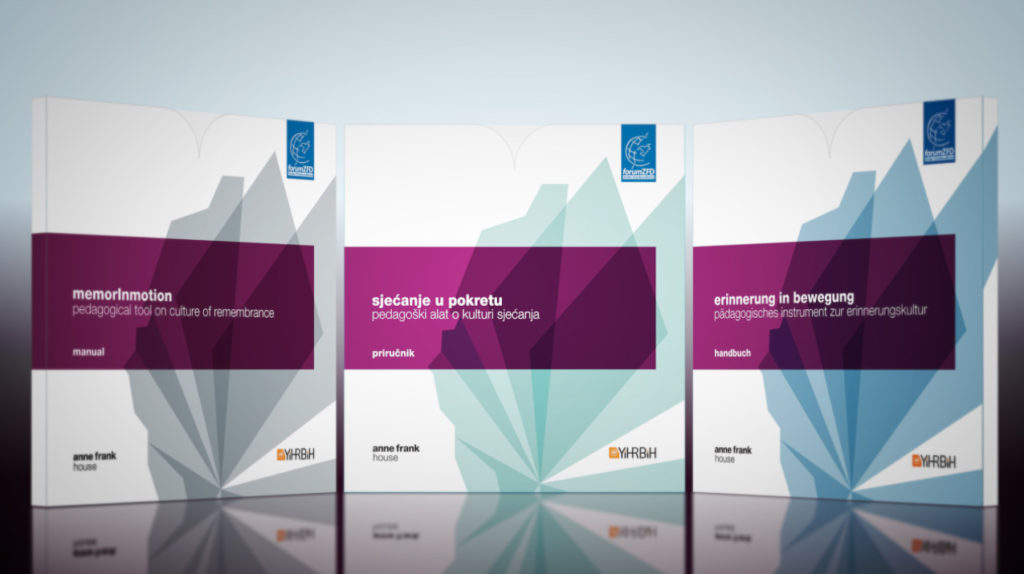
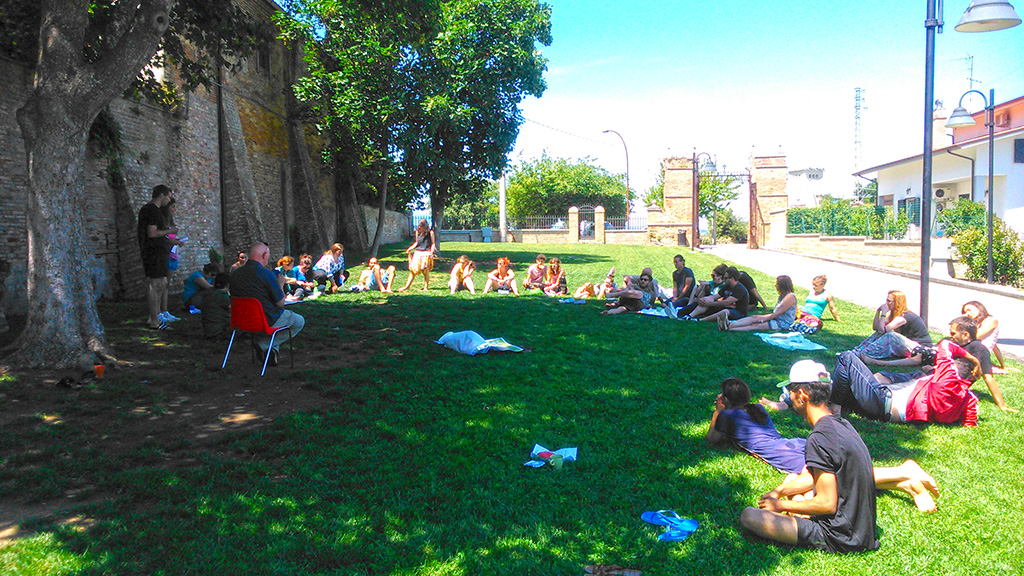
At the same time, he became increasingly involved in street art workshops, youth projects, public programs, and peacebuilding initiatives throughout the region through collaborations with ARCI Chieti and World Vision BiH. Projects such as MOnuMENTImotion, developed in collaboration with forumZFD (today Pro Peace Bosnia and Herzegovina), introduced themes of memory culture, reconciliation, post-conflict dialogue, youth participation, and nonviolence more directly into his practice.
Rather than abandoning comics, anime, or pop culture influences, this phase integrated them into broader educational, cultural, and socially engaged frameworks. It marked a shift from participation in subcultural scenes toward the development of art as a tool for dialogue, facilitation, and public engagement.
International Networks and Cultural Facilitation (2016–2019)
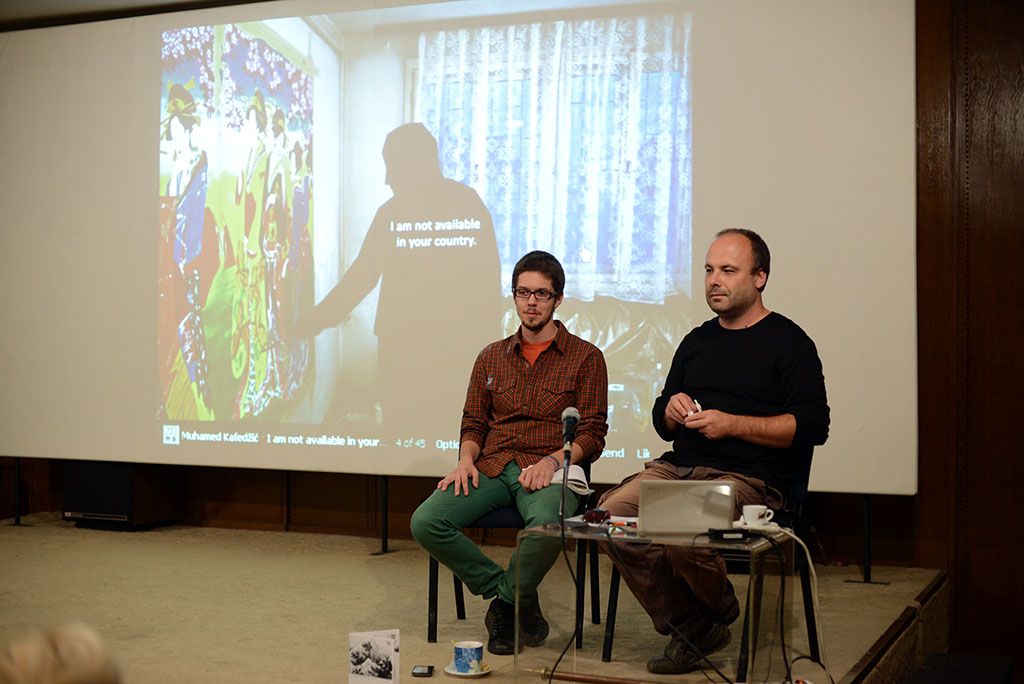
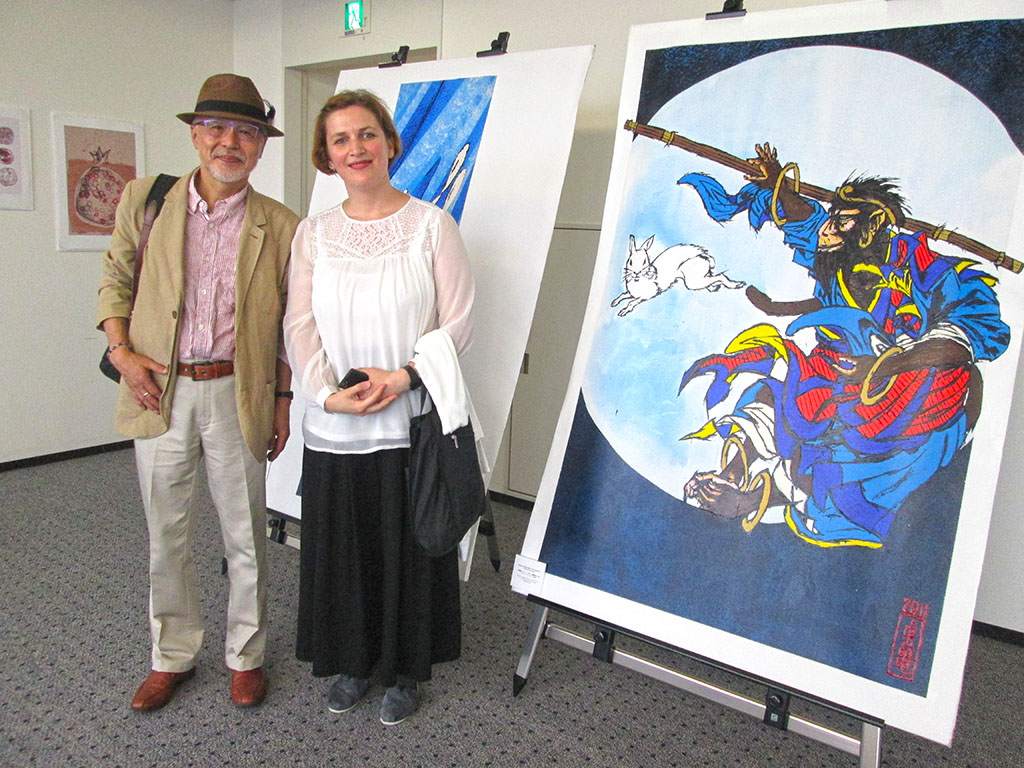
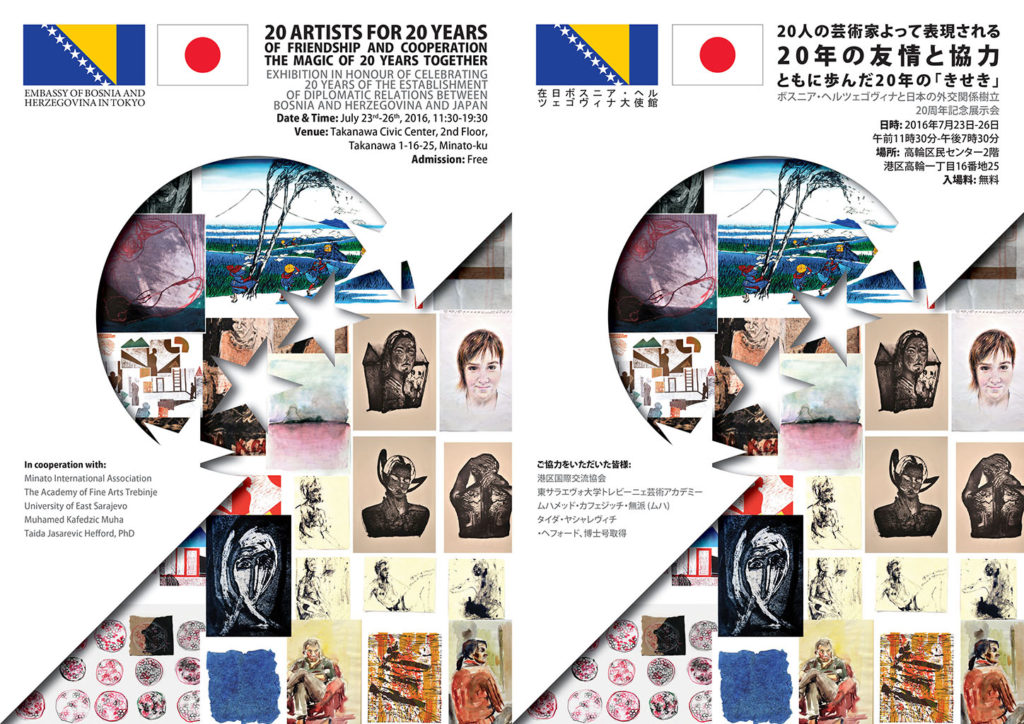
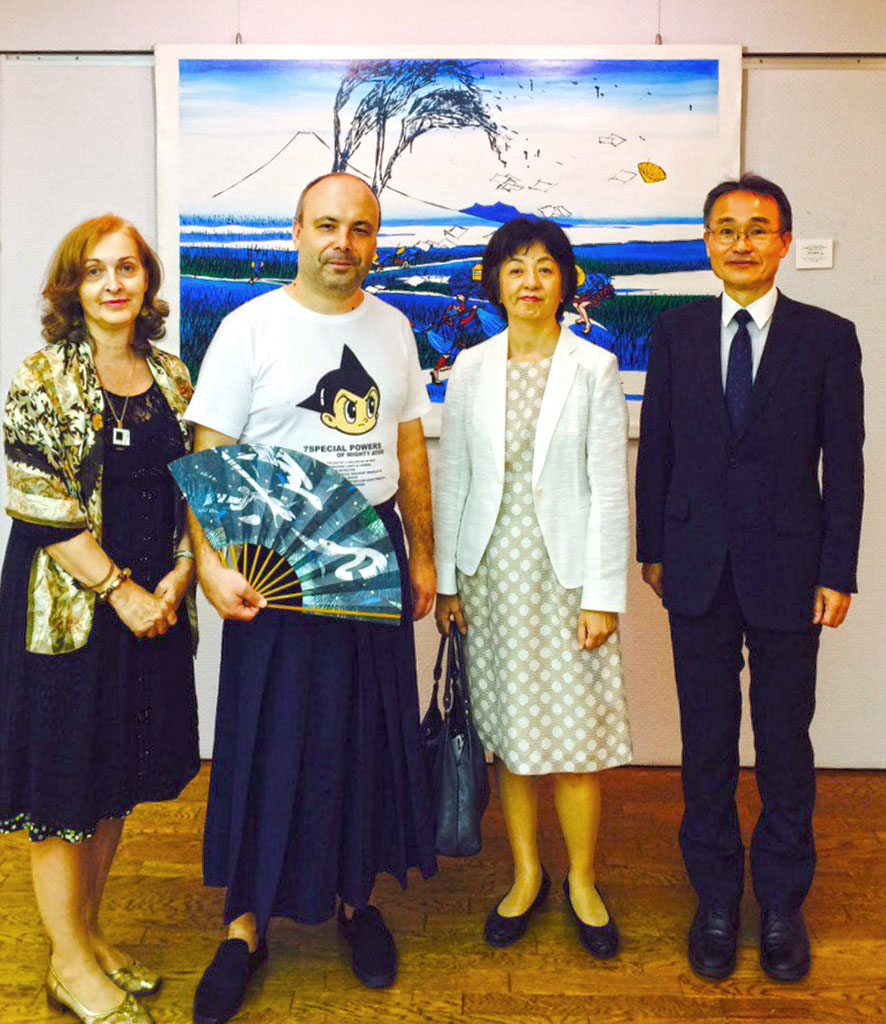
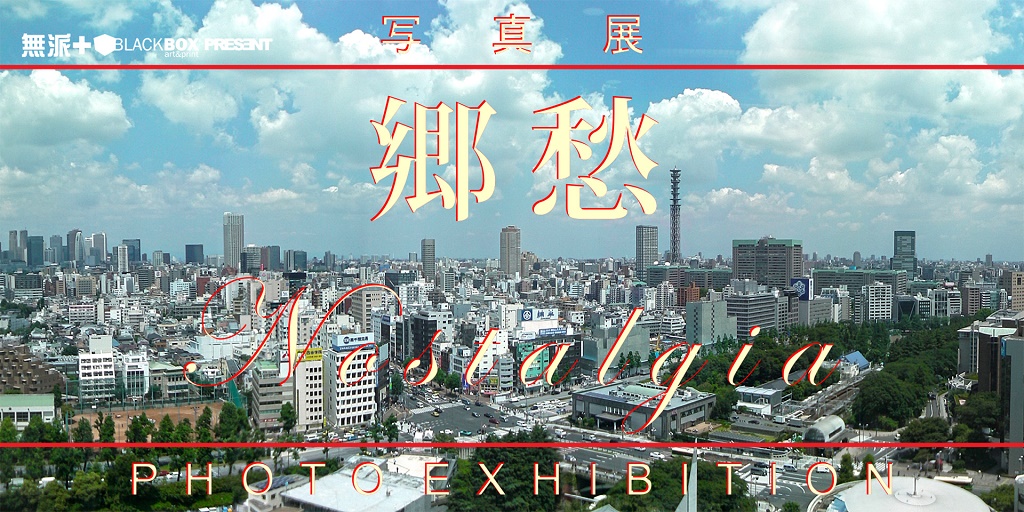
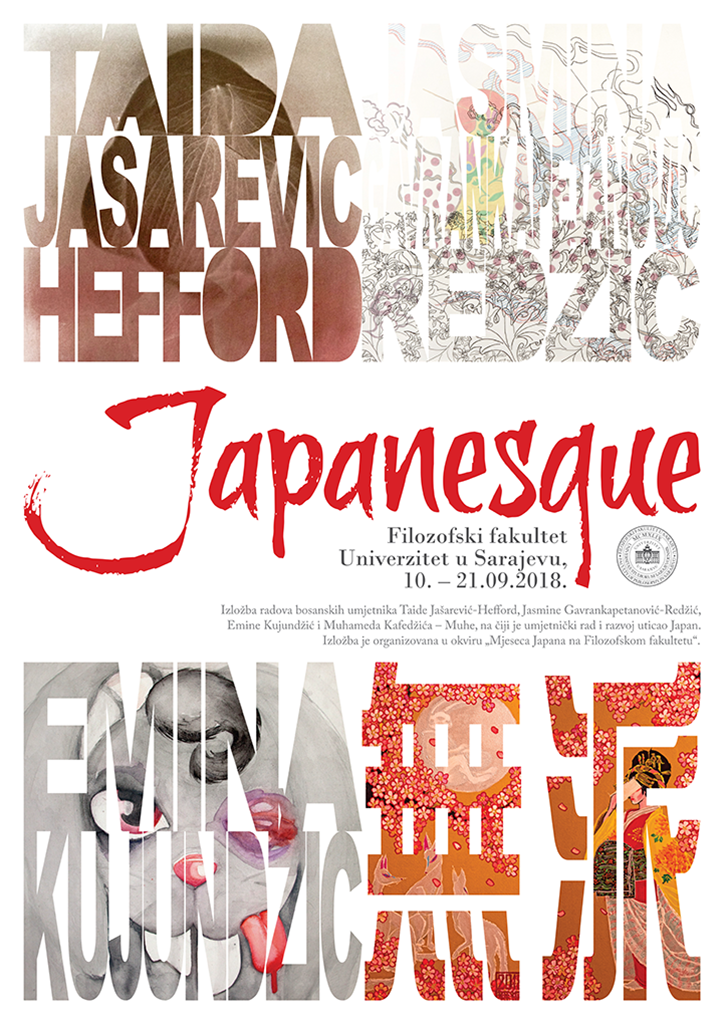
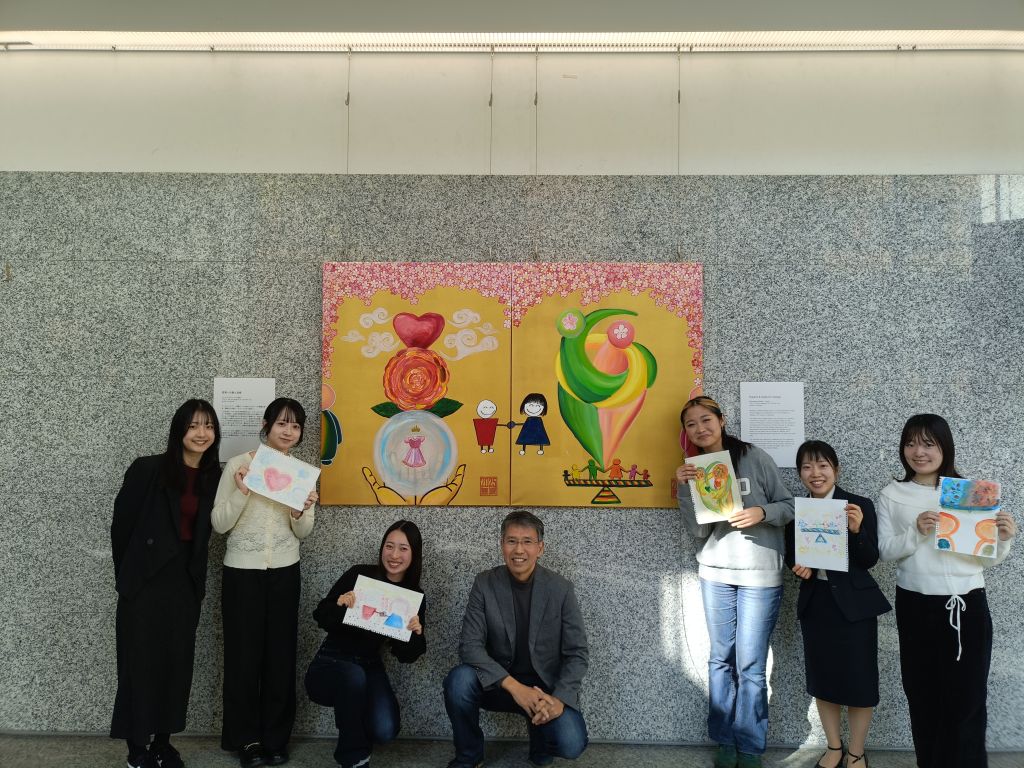
Between 2016 and 2019, Kafedžić’s practice increasingly expanded into international cultural networking and organizational work. After spending part of 2016 living in Japan, projects and collaborations connected to Sophia University in Tokyo, public lectures, exhibitions, artist talks, and collaborative curatorial projects reflected a growing transition from individual artistic production toward cultural facilitation, mediation, and program development, while further deepening his long-term relationship with Japanese visual culture and everyday life. Japanese-language exhibition catalogues from this period already described his practice as moving fluidly between painting, graphic design, animation, comics, print design, and street art through distinctly personal reinterpretations of Japanese cultural references.
During this period, he increasingly moved between the roles of organizer, curator, workshop leader, public speaker, and mediator between different cultural and educational contexts. Rather than positioning himself exclusively within a single discipline, his work moved fluidly between contemporary art, education, comics culture, Japanese studies, public programming, and collaborative cultural production.
After the Pandemic: Institutional and Educational Consolidation
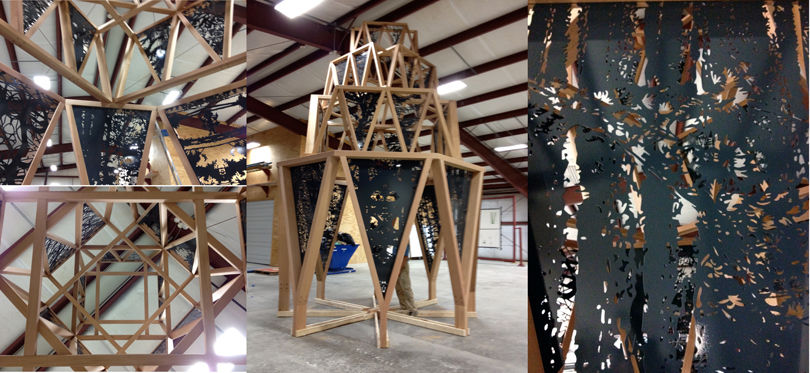
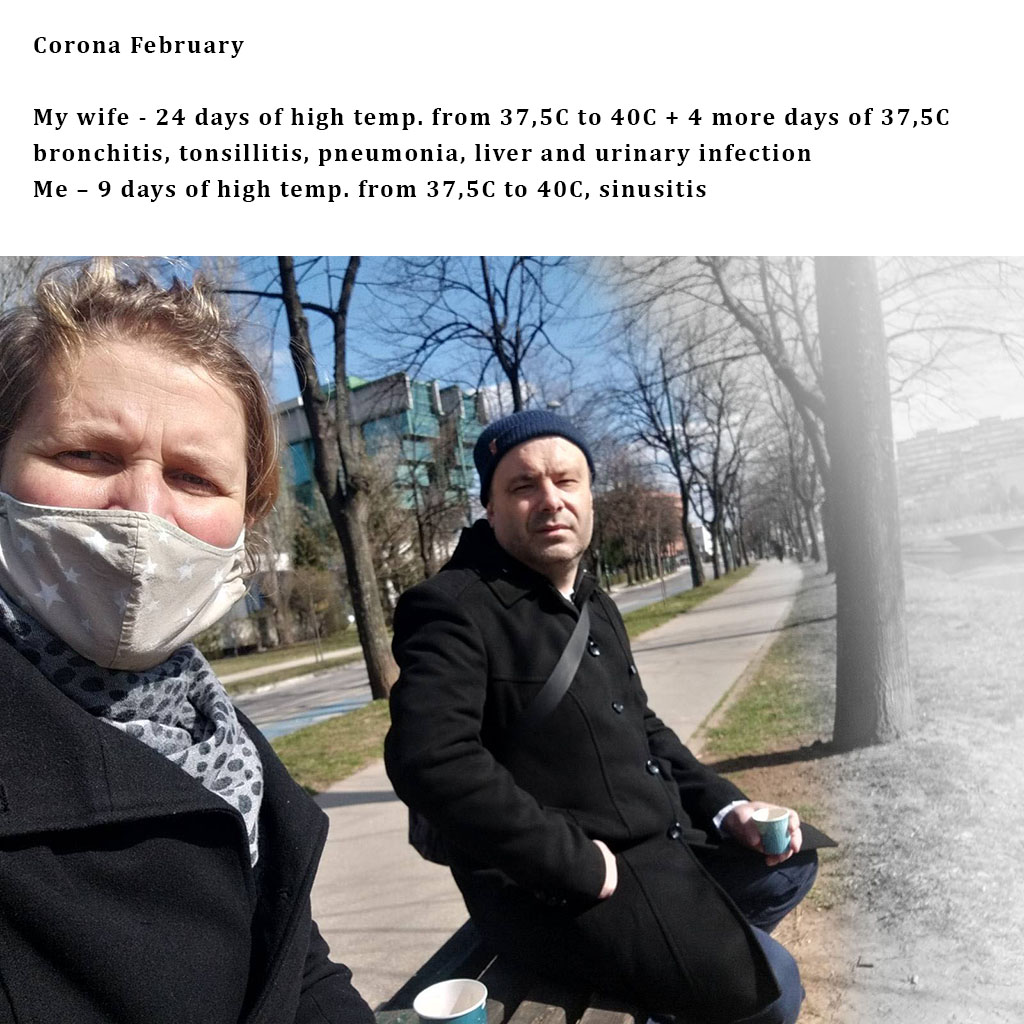
The pandemic period itself became another important turning point in Kafedžić’s practice. While many independent artists experienced a loss of continuity during COVID-19, this period marked an unusually productive and experimental phase in his work, further distancing his visual language from the lingering academic influence of the Academy of Fine Arts and pushing it toward increasingly hybrid forms combining painting, digital aesthetics, pop culture references, sculptural experimentation, layered visual storytelling, murals, dioramas, and digital art.
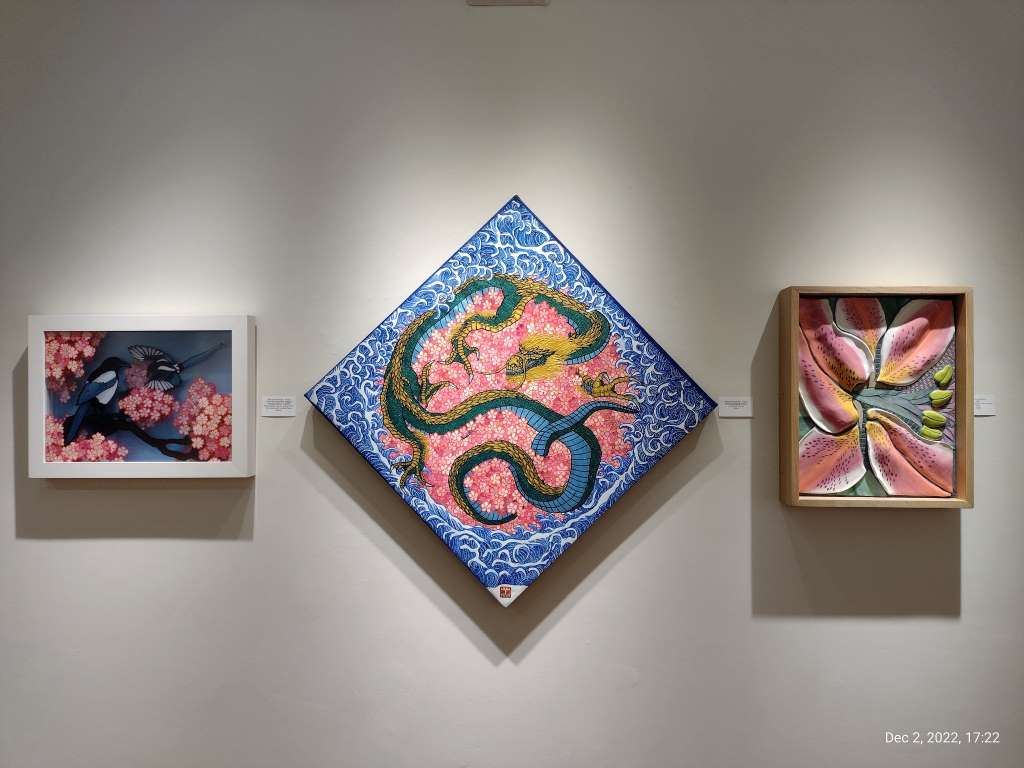
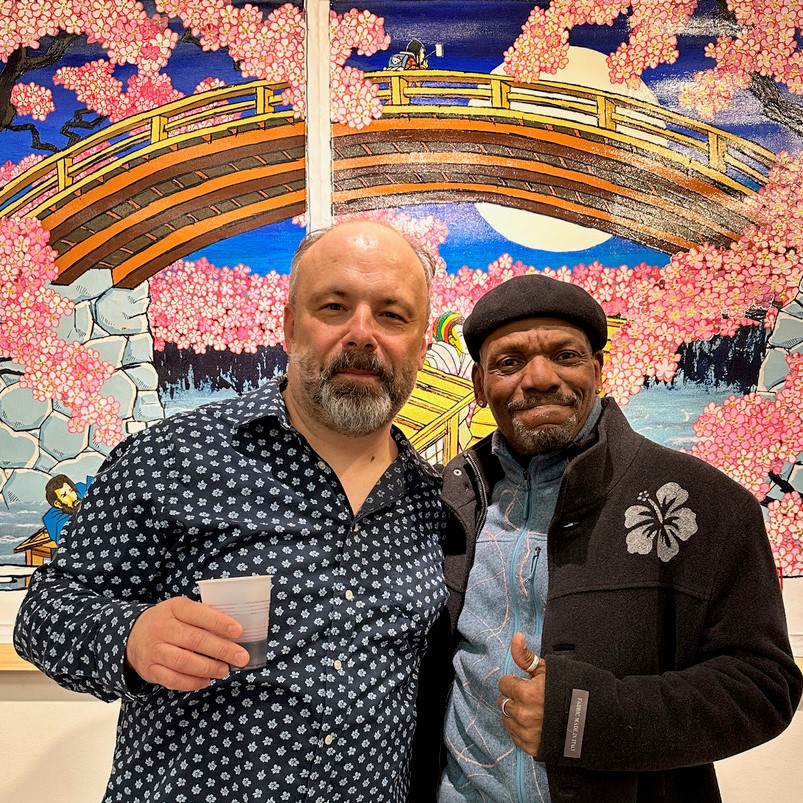
Exhibitions such as Hanami (花見 – Flower Viewing), presented in Bosnia and Herzegovina and later in Ithaca, New York, brought together works produced between 2009 and 2022 and revealed the increasingly fluid relationship between painting, music, digital media, Japanese visual references, and contemporary popular culture within his practice. At the same time, his work became more internationally connected and institutionally visible.
After spending 2022 and 2023 living in the United States, this phase includes increasingly intensive collaborations from 2024 onward with the Peace Education Hub at the University of Sarajevo through exhibition facilitation, educational media, visual communication, workshop coordination, public programs, and peace education initiatives, further connecting his artistic practice with educational and socially engaged work. Kafedžić has also been involved with Arka – Art & Education Center in Sarajevo since its earliest conceptual stages around 2018, later becoming member of the Association for the Promotion of Culture and Arts – Arka in 2022 and active volunteer coordinator from 2024 onward.
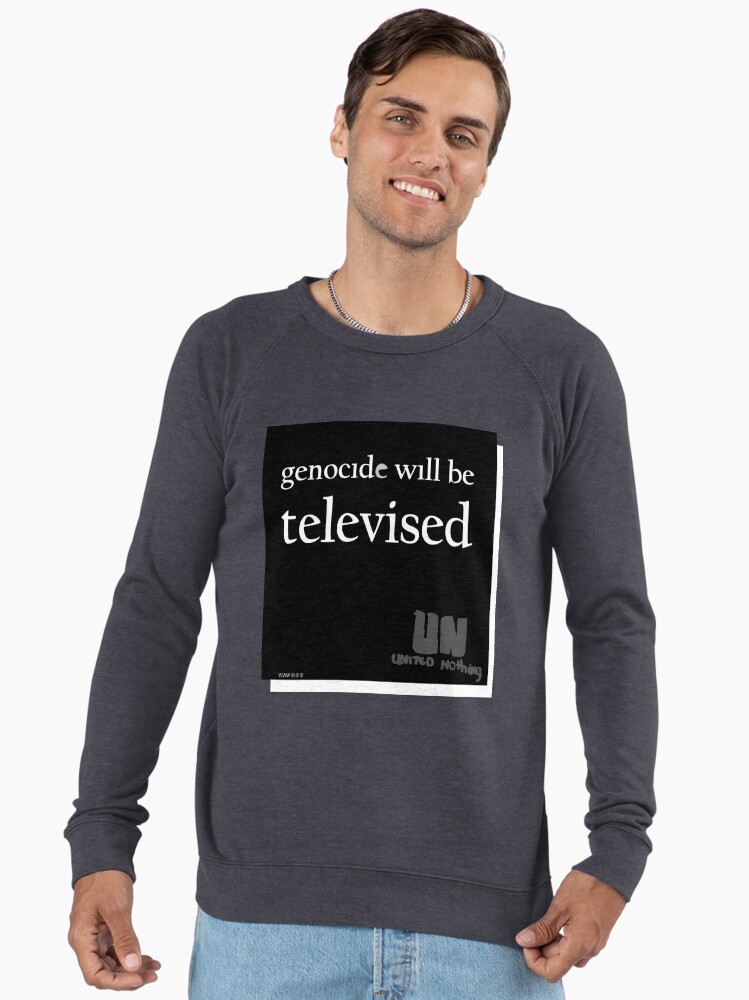
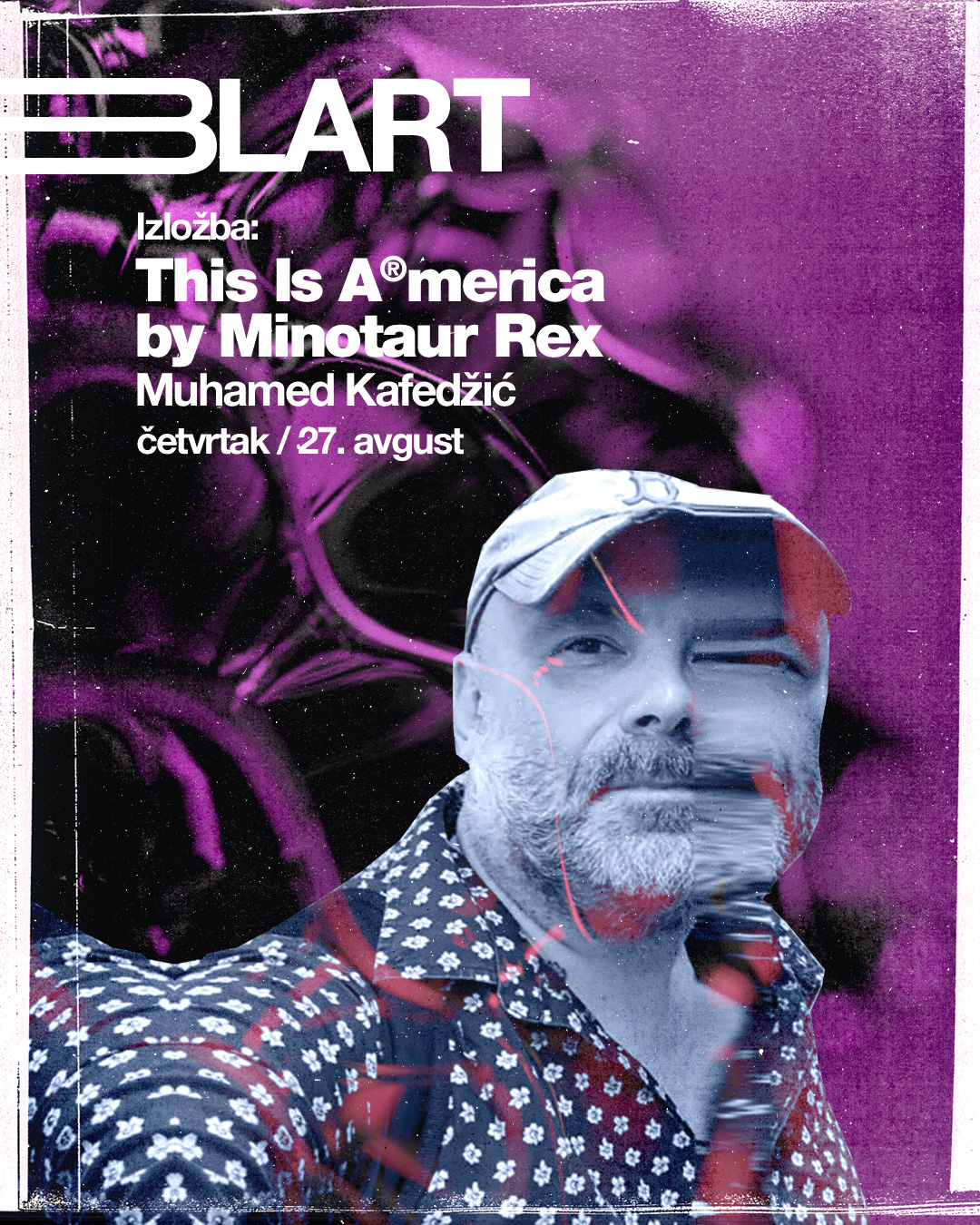
This period also includes the development of the long-term project “This Is A®merica” under the artistic identity Minotaur Rex, a body of work shaped by his experiences of living between Bosnia and Herzegovina and the United States. Combining media headlines, popular culture, contemporary painting, and social critique, the project examines the normalization of violence, gun culture, fear, spectacle, and collective desensitization, while continuing his long-standing interest in the relationship between visual culture, mass communication, and social reality.
At the same time, his professional position became more clearly defined through recognitions such as the status of Distinguished Independent Artist of Canton Sarajevo and support through the Culture Moves Europe programme implemented by the Goethe-Institut and funded by the European Union.
Artist, Educator, Facilitator
What makes Kafedžić’s trajectory unusual within the Bosnian and regional context is that much of his artistic development unfolded outside dominant local artistic narratives and institutional expectations. While formally educated within a traditional academy system, his influences were shaped just as strongly by comics and manga culture, animation, cyberpunk, Japanese visual culture, digital media, underground scenes, public art, and collaborative educational environments. The continuity between these seemingly incompatible worlds became one of the defining characteristics of his practice.
Even as his projects became increasingly international and educationally oriented, the visual and conceptual influence of comics, animation, Japanese culture, cinema, and popular media never disappeared from his practice. This persistent connection to influences often considered peripheral within the traditional Bosnian art context contributed to his position as a kind of cultural outsider operating simultaneously inside and outside established artistic frameworks. Rather than disappearing over time, these influences remained part of a continuous artistic language connecting contemporary art with accessibility, dialogue, and public engagement.
Today, his work functions less as the practice of a traditional studio painter and more as a hybrid model of artist, educator, facilitator, and cultural organizer operating between visual art, education, public programs, and collaborative cultural production, while maintaining a continuous connection to comics, animation, Japanese visual culture, and contemporary painting.